How to Protect Your Car While It’s Parked
Key Takeaways
- Always secure your vehicle by locking doors and windows.
- Park in visible, well-lit, and high-traffic locations when possible.
- Remove personal items and valuables from plain sight.
- Invest in security devices and regular vehicle maintenance.
- Consider your parking environment to mitigate risks from weather and surroundings.
Your car is often at its most vulnerable when it is parked and unattended. Whether you leave it on a residential street, in a shared driveway, or in a public lot, there are numerous risks, including theft, vandalism, environmental damage, and even mechanical issues caused by inactivity. Taking the right steps can help you avoid costly repairs and reduce the chances of something unfortunate happening to your vehicle. Part of being proactive about parked car safety is understanding your insurance options, including parked car insurance, which can help you recover from potential incidents.
Protecting your car is about much more than simply locking the doors. Prevention, maintenance, and the thoughtful selection of parking spots can all play crucial roles in the safety and longevity of your vehicle. By being vigilant and following proven protective techniques, you can safeguard your car from a wide range of threats, ensuring it’s always ready when you need it.
Secure Your Vehicle
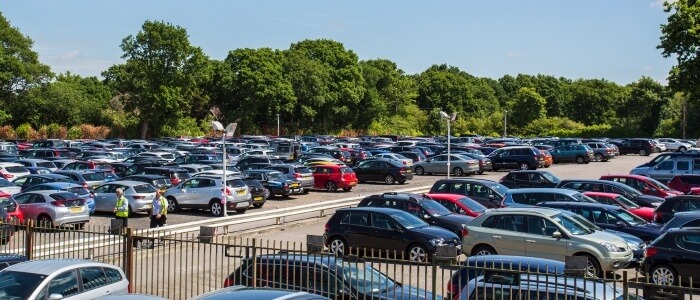
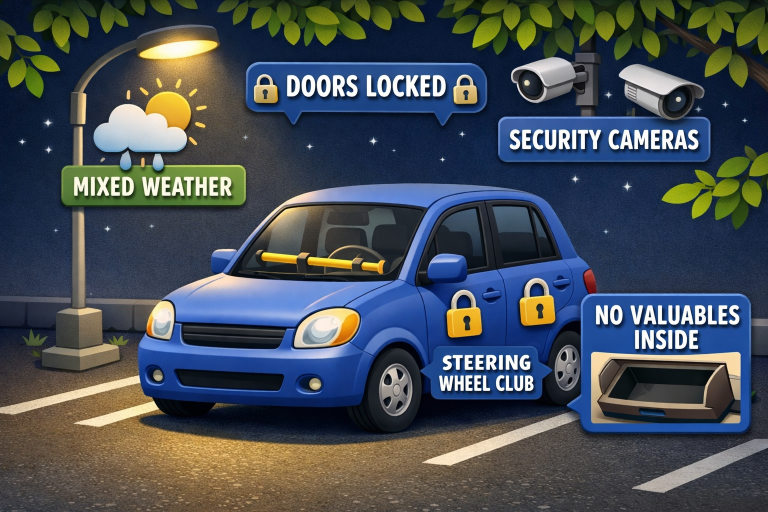
The most effective deterrent against car theft and vandalism remains basic vigilance: always lock the doors and roll up every window, even if you plan on being away for only a minute. Criminals look for easy targets, and an unlocked car is a prime candidate for a quick grab. Parking in a location that is illuminated and regularly trafficked, such as under streetlights or near busy entrances, adds another layer of security and minimizes potential hiding spots for anyone with ill intentions. It is advisable to double-check that your car alarm, if you have one, is armed every time you walk away from your vehicle.
Remove Temptation
Leaving possessions visible through the windows is a surefire way to attract thieves, even in generally safe neighborhoods. Store purses, shopping bags, electronics, and small items out of sight before you reach your destination. The trunk is generally safer than under seats or glove compartments, which are commonly checked by thieves. Even seemingly harmless objects like phone chargers or GPS mounts can tempt someone to break a window. If your dashboard or console must hold anything essential, make it as inconspicuous as possible.
Maintain Your Vehicle
If your car sits for days or weeks, neglect can take its toll. Batteries may lose charge, tires can develop flat spots, and fluids may stagnate. To counter these effects, start your car every few days and let it run for several minutes. Move the vehicle periodically if possible, even by a few feet, to prevent tire and brake issues. This regular attention keeps your engine in good condition and helps you catch any potential issues early, before they turn into mechanical failures or leaks. For more advice on maintaining a car that isn’t driven much, visit Consumer Reports.
Use Security Devices
Modern car theft tools have grown sophisticated, but even simple physical barriers deter most opportunistic criminals. Devices like steering wheel clubs, brake locks, and tire clamps make it significantly harder for thieves to drive off with your car and often discourage attempts altogether. Car alarms are essential, but their effectiveness increases when paired with visible physical deterrents. If you are concerned about keyless entry hacking, consider using a signal-blocking pouch for your key fob. Extra security is especially valuable in neighborhoods or parking lots with a history of break-ins.
Protect Against Environmental Damage
Though often overlooked, weather and environmental exposure can cause lasting damage to your parked car. Direct sunlight accelerates fading, cracks dashboards, and can even damage your seats. A sun shade is a cheap and effective solution for reducing interior heat and blocking harmful UV rays. If you live in areas prone to hail, snow, or wind, using a car cover provides a buffer against dents and scratches. Checking that the weather seals around doors and windows are intact also helps prevent water intrusion or mold when left parked for extended periods.
Be Mindful of Parking Locations
Choosing where you park is as important as how you park. Avoid placing your car under large trees, which can drop sap, branches, or debris onto your car, creating both cosmetic and mechanical hazards. Similarly, stay away from low spots in parking lots or driveways that may collect water during heavy rainfall, as flooding can severely damage electronics and upholstery. Always be aware of signage indicating temporary hazards such as street sweeping or construction.
Stay Vigilant
Checking on your vehicle regularly is perhaps the simplest way to maintain security and prevent neglect. Make it a habit to inspect the exterior and interior for any signs of tampering or new damage at least every couple of days if possible. If you notice anything suspicious, such as scratches near door locks or unfamiliar objects on or around your car, alert local authorities or building security. Community vigilance, involving neighbors or coworkers, can also help reduce incidents and provide valuable witnesses should a problem arise.
Adopting these protective measures can make a significant difference in keeping your vehicle secure while parked. With basic awareness, regular care, and a few inexpensive tools, you will dramatically reduce your risk of loss or damage. This proactive approach not only keeps your car available when you need it most but also preserves its value for years to come.