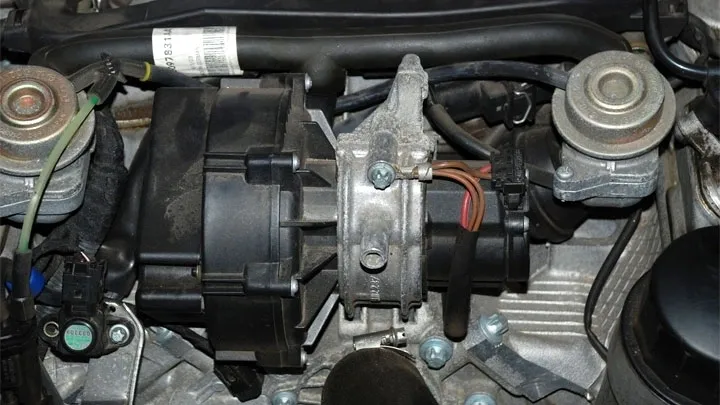
Secondary Air Injection: Complete Guide to Function, Benefits, and Common Problems
The Secondary Air Injection system works in conjunction with an engine to deliver multiple benefits. The secondary air injection system is an important part of a vehicle’s emission control setup. Its main purpose is to reduce harmful exhaust gases by introducing fresh air into the exhaust stream, especially during engine startup. The operation of vehicle engines during cold conditions leads to increased emissions because the engine cannot achieve complete fuel combustion. The secondary air injection system provides extra oxygen which enhances exhaust fuel combustion efficiency to overcome this problem.
How the Secondary Air Injection System Works
The system operates primarily during the cold start phase, when the engine and catalytic converter have not yet reached their optimal temperature. The air injection pump operates by drawing fresh air from outside sources to deliver it into the exhaust system. The added oxygen creates the conditions needed for unburned fuel particles from exhaust gases to undergo combustion. The catalytic converter reaches operating temperature more quickly because of this process which leads to faster efficiency start-up times. The process achieves a substantial reduction of dangerous pollutants which includes carbon monoxide and hydrocarbons.
Key Components of Secondary Air Injection
The secondary air injection system consists of several interconnected components that work together to ensure proper operation. The air injection pump acts as the core component by delivering fresh air into the exhaust. The combination valve functions as a control valve which controls air flow while preventing exhaust gases from backing up into the system. Vacuum lines and hoses help control the operation and ensure proper pressure levels, while the engine control unit manages when the system should activate or deactivate based on engine conditions.
Benefits of Secondary Air Injection
The presence of a secondary air injection system offers several advantages for both the vehicle and the environment. The system plays an essential role in reducing dangerous emissions because it works most effectively during the times when engine startup causes the most environmental damage. The system helps to increase emission control effectiveness by making the catalytic converter reach its working temperature in less time. The system helps improve environmental performance by making sure vehicles comply with emission standards needed for passing inspection tests.
Common Symptoms of Secondary Air Injection Failure
The failure of a secondary air injection system results in performance issues and increased emissions from the vehicle. The check engine light turns on to show that the system and its functions lack proper operation. The increased pollution levels from the vehicle lead to its failure during emission testing. The system creates an indirect impact on engine efficiency which leads to drivers experiencing reductions in acceleration power and rough engine idle. The system will not function correctly when it detects excessive emissions from the exhaust system.
Causes of Secondary Air Injection Problems
The secondary air injection system experiences problems when specific factors disrupt its normal operation. The air pump failure causes problems because it prevents proper air delivery into the exhaust system. The system performance decreases when blocked or cracked or leaking hoses obstruct airflow. Water entering the pump system creates a major problem which results in damage to internal pump parts. Electrical faults, such as damaged wiring or a failing relay, can also prevent the system from operating correctly. In some cases, vacuum leaks can interfere with proper control and function.
Can You Drive with a Faulty Secondary Air Injection System?
The secondary air injection system can function, but its faults should not be left untreated for an extended time. The problem does not affect drivability, but it leads to greater pollution and environmental damage. The condition will progressively affect additional components which include the catalytic converter resulting in higher repair costs. The vehicle will not pass emission tests which will cause legal problems and regulatory complications.
Maintenance Tips for Better Performance
Secondary air injection system maintenance helps to establish performance and reliability standards for the system’s operational time. The maintenance routine requires hose and valve inspections which should be conducted to find leaks and valve issues that need fixing. The air pump system becomes damaged when water enters through engine bay areas which need to be kept dry and safe from moisture. The solution for bigger problems comes when warning lights need immediate handling and all damaged parts need replacement. The system will work effectively to produce lower emissions when it receives proper maintenance.
Conclusion
The secondary air injection system plays a vital role in modern vehicles by reducing emissions and improving efficiency during cold starts. The environmental impact of this system shows significant effects despite its short operating period. The system maintenance process requires vehicle OSIAS owners to learn about its operational aspects and identify early failure signs. The maintenance of this system maintains the vehicle’s operational state while supporting environmentally friendly practices.