The Future of Dam Removal: Innovations, Challenges, and Environmental Benefits
Key Takeaways
- Dam removal is gaining momentum as a strategy to restore ecosystems and enhance climate resilience.
- Innovative techniques and community involvement are crucial to the success of dam removal projects.
- Balancing ecological benefits with economic and social considerations remains a significant challenge.
Introduction
In recent years, momentum for dam removal in the United States has steadily grown as communities, environmental groups, and policymakers recognize the wide-ranging benefits. Many dams, once vital for economic development, now serve little purpose while posing risks to both natural ecosystems and public safety. Their removal has sparked a national conversation about how best to revitalize rivers and improve environmental health.
Projects dedicated to dismantling outdated dams are proving transformative, not just for restoring the natural flow of rivers but also for strengthening communities’ resilience in the face of climate change. As this practice spreads, advanced removal techniques and thoughtful planning are becoming increasingly essential to ensure success while minimizing potential disruptions for people and wildlife.
The drive to address the social and ecological legacies of damming requires a careful balance of stakeholder interests, technical innovation, and environmental stewardship. By understanding these multifaceted challenges, communities can better recognize the opportunities to revitalize their waterways and reconnect habitats.
Throughout this transformation, robust scientific research and new ways of thinking about river management have guided the development of dam removal projects. This evolving landscape offers lessons that can be applied to future initiatives, ensuring that restoration success is shared by both nature and society.
Innovations in Dam Removal Techniques
Technological and engineering advancements are shaping modern dam removal efforts, making projects safer and more environmentally sensitive. For example, controlled blasting and phased deconstruction are now commonly used to minimize sediment release, thereby protecting downstream habitats from sudden changes in water quality. Engineers often employ hydraulic modeling and site-specific planning to determine the best approach for removing a structure without harming aquatic life or nearby communities.
Notably, the Elwha River restoration project in Washington State stands as a leading example of innovative dam removal. Here, the use of a gradual drawdown technique allowed sediments to be managed over time instead of all at once, fostering the slow recovery of habitats for salmon, trout, and other species. By monitoring the river’s recovery and adapting removal techniques as needed, project leaders set a precedent for future ecosystem restoration strategies.
Environmental Benefits of Dam Removal
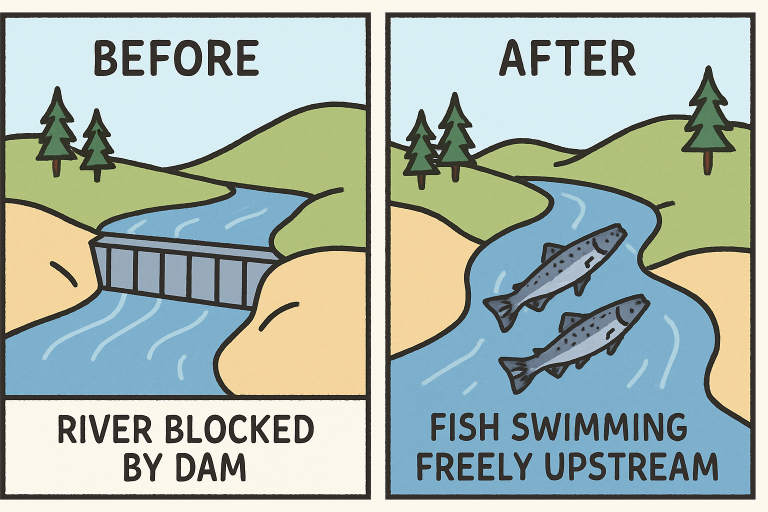
The ecological rewards of removing obsolete dams are substantial. Restoring river connectivity restores natural flow regimes, boosting water quality and rejuvenating plant and animal habitats. One compelling success story is unfolding along the Klamath River, where dam removal has enabled Chinook salmon to return to their ancestral spawning grounds for the first time in decades. This resurgence signals a crucial victory for both biodiversity and the people who rely on healthy fisheries for cultural and economic reasons.
In addition to supporting fish populations, removing river barriers helps reestablish wetlands, supports migratory species, and combats the adverse effects of stagnant reservoirs, such as harmful algal blooms. These improvements lay the groundwork for building ecological resilience, particularly as increased flooding and droughts stress already fragile river systems.
Challenges in Dam Removal Projects
Despite these environmental gains, overcoming the complexities of dam removal requires diligent planning and negotiation. Funding is often a significant obstacle, as the upfront costs of deconstruction, sediment management, and riverbed stabilization can be substantial. Multiple stakeholders, from property owners and local businesses to state and federal agencies, must be consulted, and their often competing interests can slow or stall projects.
Navigating the regulatory landscape adds another layer of complexity, with a patchwork of permits, environmental reviews, and liability issues to resolve. The need to manage large accumulations of sediment behind dams is also significant, as improper handling can threaten downstream water quality or damage sensitive habitats. Successful projects require adaptive management and a willingness to engage experts from many disciplines.
Community Involvement and Indigenous Perspectives
Community engagement and the inclusion of Indigenous knowledge are critical to achieving lasting success. The Klamath River project showcases what is possible when Indigenous leadership is honored and integrated into project planning. Tribes such as the Yurok and Karuk played a pivotal role, ensuring that cultural values and ecological science guided restoration efforts.
Public participation also builds trust and transparency, helping residents understand the long-term environmental and economic benefits of dam removal. By incorporating traditional ecological knowledge and providing forums for discussion, project leaders help communities adapt to change and share in the successes of river restoration.
Economic Considerations
While dam removal can involve considerable upfront costs, over the long term, it can be more economical than maintaining aging, failing infrastructure. The savings from repairs, inspections, and liability issues often exceed the initial investment required for removal. According to research conducted by Utah State University, communities that embrace dam removal are better equipped to adapt to extreme weather and reduce future flood risks, delivering substantial value over time.
There are also economic opportunities in reconnecting river systems. Improved recreational fishing, restoration-related tourism, and revitalized waterfronts attract investment and support local economies. These benefits are challenging to quantify before removal, but they often lead to renewed prosperity and community pride.
Future Outlook
As climate change intensifies, the need for resilient and adaptable waterways has never been greater. The future of dam removal will depend on continued scientific innovation, robust community partnerships, and careful regulatory planning. Lessons learned from current projects will shape policies and practices for decades to come, with a strong emphasis on equity, restoration, and sustainability.
By prioritizing ecosystems and public safety while respecting the diverse voices of local stakeholders, dam removal will remain an integral tool for restoring America’s rivers and preparing for climate-driven challenges.
Conclusion
The potential of dam removal to foster healthier ecosystems and more resilient communities is rapidly being realized across the United States. As new techniques are refined and as more voices are included in planning, dam removal will continue to offer environmental, economic, and cultural benefits. By leveraging innovation and collaboration, society can ensure that river restoration is a win for both nature and people.