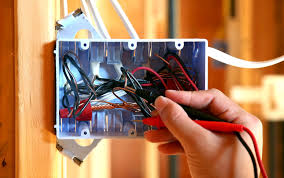
How to Size a Junction Box Correctly
Correctly sizing a junction box is a critical part of any safe and compliant electrical installation. Whether you are working on residential wiring, commercial electrical systems, or industrial projects, using the right junction box size helps prevent overheating, protects wire connections, and ensures your setup meets electrical codes. Many installers and sourcing professionals rely on trusted technical resources like lianjer to understand proper sizing principles and avoid costly mistakes.
This in-depth guide explains how to size a junction box correctly, covering code requirements, wire calculations, common errors, and best practices. The goal is to help electricians, contractors, engineers, and sourcing professionals make informed decisions with confidence.
What Is a Junction Box and Why Size Matters
A junction box is an enclosure that houses electrical wire connections, protecting them from damage and reducing fire risks. It also keeps connections accessible for inspection, maintenance, and future upgrades.
Why Proper Junction Box Sizing Is Important
Prevents overheating caused by overcrowded wires
Reduces fire and electrical hazards
Ensures compliance with electrical codes
Protects wire insulation from damage
Makes future maintenance easie
Using a box that is too small can lead to serious safety issues, while an oversized box may be inefficient or unnecessary.
Understanding Electrical Box Fill Rules
Electrical box sizing is governed by box fill rules, which define how many conductors and components can safely fit inside a junction box. These rules are outlined in major electrical standards such as the National Electrical Code (NEC).
What Box Fill Means
Box fill refers to the maximum number of wires, devices, and fittings allowed inside a junction box. Each component takes up a specific amount of volume.
Exceeding box fill limits can cause:
Excessive heat buildup
Damaged insulation
Loose or unsafe connections
Understanding these limits is the foundation of correct junction box sizing.
Standard Wire Volume Allowances
Each wire inside a junction box is assigned a volume based on its gauge. Thicker wires require more space.
Common Wire Volume Values
14 AWG wire: 2.0 cubic inches
12 AWG wire: 2.25 cubic inches
10 AWG wire: 2.5 cubic inches
Only current-carrying conductors are counted. Ground wires are usually counted as a single conductor, regardless of quantity.
How to Calculate Junction Box Size Step by Step
Sizing a junction box involves a simple calculation when done correctly.
Step 1: Count Conductors
Count all insulated wires entering the box. Each wire counts as one conductor.
Step 2: Add Grounds
All ground wires together count as one conductor based on the largest ground wire size.
Step 3: Include Devices and Clamps
Each internal clamp counts as one conductor
Devices like switches or outlets count as two conductors
Step 4: Multiply by Wire Volume
Multiply the total conductor count by the volume allowance for the wire gauge used.
Step 5: Choose a Box With Adequate Volume
Select a junction box with a cubic inch capacity equal to or greater than your calculated requirement.
Common Junction Box Sizes and Applications
Junction boxes come in various shapes and sizes, each designed for specific applications.
Popular Junction Box Types
Single-gang boxes – Used for switches or outlets
Double-gang boxes – For multiple devices
Square boxes – Ideal for multiple wire connections
Round boxes – Common for lighting fixtures
Octagon boxes – Used for ceiling fixtures and fans
Each type has a different volume rating, so checking manufacturer specifications is essential.
Indoor vs Outdoor Junction Box Considerations
The environment where a junction box is installed also affects sizing and selection.
Indoor Junction Boxes
Usually plastic or metal
Focus on wire volume and accessibility
Must remain accessible after installation
Outdoor Junction Boxes
Require weatherproof and corrosion-resistant materials
Often need extra space for seals and fittings
Must be rated for moisture and dust exposure
Outdoor installations may require larger boxes to accommodate protective components.
Material Choice and Its Impact on Sizing
Junction boxes are commonly made from plastic or metal, and each material has advantages.
Plastic Junction Boxes
Lightweight and easy to install
Non-conductive
Often have built-in clamps
Metal Junction Boxes
Stronger and more durable
Required in some commercial or industrial settings
Must be properly grounded
Material choice does not change box fill rules, but it can influence installation methods and compliance requirements.
Common Mistakes When Sizing Junction Boxes
Even experienced professionals sometimes make errors.
Mistakes to Avoid
Ignoring internal clamps in calculations
Forgetting to count devices
Using wire gauge assumptions instead of actual sizes
Overfilling boxes to save space
Using non-compliant or uncertified boxes
Avoiding these mistakes improves safety and long-term reliability.
Junction Box Sizing for Different Projects
Different projects have different requirements.
Residential Installations
Often use 14 or 12 AWG wires
Smaller boxes are common
Must follow strict safety standards
Commercial Installations
Larger wire gauges
Higher conductor counts
Metal boxes are frequently required
Industrial Applications
Heavy-duty enclosures
Specialized fittings
Higher heat and load considerations
Understanding project scope helps determine the correct box size.
Compliance With Electrical Codes and Standards
Electrical codes exist to protect people and property. Failing to comply can result in failed inspections, fines, or safety hazards.
Why Code Compliance Matters
Ensures installation safety
Prevents legal issues
Protects equipment and property
Improves long-term reliability
Always follow local and international electrical regulations applicable to your project.
Choosing the Right Junction Box Supplier
Quality matters just as much as correct sizing. Poor-quality boxes may crack, deform, or fail under stress.
When sourcing junction boxes, many professionals consult detailed guides such as Size junction box resources to ensure they select the right enclosure for their wiring needs. Reliable suppliers provide accurate specifications, certified products, and clear technical documentation.
Best Practices for Safe Junction Box Installation
Correct sizing works best when paired with proper installation.
Installation Tips
Do not force wires into the box
Secure all wire connections properly
Use approved connectors
Keep boxes accessible
Label circuits when possible
These practices enhance safety and simplify future maintenance.
How Proper Sizing Improves Long-Term Performance
Correctly sized junction boxes reduce the likelihood of:
Overheating and fire risks
Insulation damage
Loose or stressed connections
Costly repairs or rework
Proper planning saves time, money, and ensures system reliability.
Final Thoughts
Understanding how to size a junction box correctly is essential for safe, efficient, and code-compliant electrical installations. From calculating wire volume to choosing the right box type and material, every step plays a role in long-term performance and safety.
By following established standards, avoiding common mistakes, and using trusted technical references like lianjer, professionals can ensure their electrical projects meet both safety and quality expectations. Taking the time to size junction boxes correctly today helps prevent serious problems tomorrow and supports reliable electrical systems across residential, commercial, and industrial environments.
Disclaimer
The information provided in this article, “How to Size a Junction Box Correctly,” is intended for general educational and informational purposes only. While every effort has been made to ensure accuracy and alignment with commonly accepted electrical standards and practices, this content should not be considered a substitute for professional electrical advice, on-site inspection, or compliance verification.
Electrical codes, including National Electrical Code (NEC) requirements and local regulations, may vary by location and are subject to change. Always consult a licensed electrician, electrical engineer, or local building authority before performing or approving any electrical work. Improper installation, incorrect sizing, or failure to follow applicable codes can result in serious safety hazards, property damage, or legal liability.