How Home Upgrades Like Window Tinting and Security Systems Improve Property Protection
Protecting a home today requires more than simply locking the doors at night. Homeowners are increasingly combining physical upgrades and smart technologies to create safer, more private living spaces. When planning these improvements, many people research the home security system installation cost to understand what equipment, monitoring services, and setup options may be involved before deciding how security systems fit into their broader property protection strategy. At the same time, upgrades like professional window tinting provide another valuable layer of defense that improves privacy, strengthens glass, and reduces visibility from outside the home.
The Growing Importance of Layered Home Protection
Modern property protection is no longer built around a single solution. Instead, experts recommend a layered approach that combines multiple safety features to reduce vulnerabilities and discourage potential intruders. Each layer adds another obstacle, making a property more difficult to target.
Window tinting and security systems work well together within this layered model. While alarms and sensors detect unauthorized entry, window films can make glass harder to shatter and limit outsiders’ ability to see valuables inside the home. Together, these upgrades create a stronger barrier between homeowners and potential security threats.
How Window Tinting Improves Safety and Privacy
Window tinting is often associated with energy efficiency and glare reduction, but it also plays a meaningful role in property protection. Professionally installed window films can reinforce glass, helping it hold together even when struck. This added durability can slow forced-entry attempts and buy valuable time for alarms to trigger or for occupants to respond.
Privacy is another major benefit of window tinting for residential properties. By reducing visibility from outside, tinted windows make it more difficult for strangers to observe activity inside the home or identify valuable belongings. In cities like Columbus, Ohio, where homes may sit close to busy streets or neighboring properties, this additional privacy can significantly improve peace of mind.
The Role of Security Systems in Modern Homes
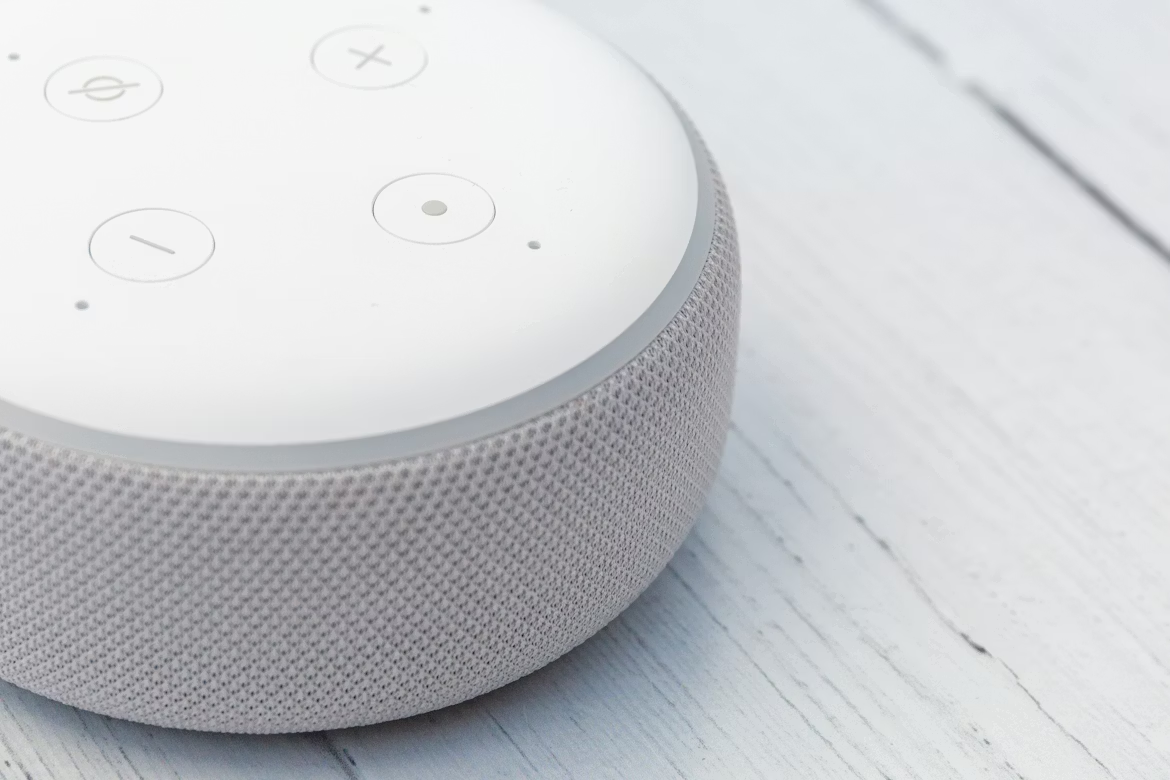
While window tinting enhances a home’s physical structure, security systems provide technology-driven protection. Modern alarm systems can monitor doors, windows, motion, and environmental conditions such as smoke or carbon monoxide. These systems often connect to mobile apps, allowing homeowners to monitor their property remotely.
Another advantage of modern systems is the ability to receive instant alerts and professional monitoring support. If a sensor detects suspicious activity, the system can notify both the homeowner and a monitoring service that can contact emergency responders if necessary. This immediate response capability dramatically increases the effectiveness of home security.
Why Combining Upgrades Creates Stronger Protection
No single upgrade can fully secure a property on its own. Security experts consistently emphasize the importance of combining multiple protective features to reduce risk. Window tinting helps prevent easy access, while security systems detect and respond to threats.
When used together, these upgrades create a more comprehensive defense strategy. An intruder who cannot easily see inside and cannot quickly break through reinforced glass may abandon the attempt altogether, especially when visible security cameras or alarm signage indicate the home is monitored.
Long-Term Value of Smart Home Safety Improvements
Home protection upgrades also provide long-term financial and lifestyle benefits. Security systems can sometimes reduce homeowner insurance premiums, while window tinting improves energy efficiency by blocking excessive heat and ultraviolet rays. These advantages make both upgrades practical investments beyond their security benefits.
In addition, properties equipped with modern safety features often appeal more strongly to potential buyers. Homebuyers increasingly value smart security technology and privacy enhancements, which means upgrades like window film and monitored alarm systems can help increase the overall market value of a property.
Planning the Right Protection Strategy for Your Home
Every home has unique vulnerabilities, which means protection strategies should be customized to match the property layout and neighborhood environment. Homes with large windows facing public streets may benefit greatly from privacy-focused tinting solutions. Properties with multiple entry points may require more advanced alarm sensors and monitoring options.
Working with experienced professionals can help homeowners identify the best upgrades for their needs. Local experts in Columbus, Ohio, can recommend appropriate window film products, while security specialists can help design alarm systems that cover critical access points without creating unnecessary complexity.
Conclusion
Protecting a home today involves combining physical improvements and smart technology to create a balanced, layered defense system. Window tinting strengthens glass, enhances privacy, and improves comfort, while modern security systems provide detection, alerts, and monitoring that respond to potential threats. When used together, these upgrades form a powerful combination that discourages intruders and helps homeowners feel more confident about the safety of their property. By carefully planning upgrades and working with trusted professionals, homeowners can transform their living spaces into safer environments that offer long-term protection and peace of mind.
Disclaimer
The information provided in this article is for general informational purposes only. While efforts have been made to ensure accuracy, the content should not be considered professional security, installation, or financial advice. Homeowners should consult qualified professionals before making decisions regarding window tinting, security system installation, or other property protection upgrades. Costs, effectiveness, and results may vary depending on property conditions, location, and service providers.