The Hidden Contamination Points: 12 Places Your Cleanroom Assembly Process Is Failing
Manufacturing operations in pharmaceuticals, semiconductors, and precision electronics depend on maintaining sterile environments throughout their production cycles. Despite significant investments in air filtration systems, personnel training, and facility design, contamination events continue to disrupt production schedules and compromise product quality. The most frustrating aspect for facility managers is that contamination often occurs in areas that appear well-controlled, suggesting that traditional monitoring approaches miss critical failure points.
Recent production shutdowns across multiple industries have revealed that contamination sources frequently originate from seemingly minor operational details rather than obvious system failures. A single contamination event can halt production for days, trigger costly product recalls, and require extensive facility remediation. Understanding where these hidden vulnerabilities exist becomes essential for maintaining consistent output and avoiding the operational chaos that follows contamination incidents.
Material Transfer Points Create Invisible Contamination Pathways
The movement of raw materials, components, and work-in-process items between different cleanliness zones represents one of the most significant contamination risks in controlled manufacturing environments. Cleanroom assembly operations require multiple material transfers throughout the production process, and each transition point introduces potential contamination vectors that standard monitoring systems often overlook.
Pass-through chambers and airlocks function as critical barriers, but their effectiveness depends entirely on proper operational procedures and equipment maintenance. When personnel rush through material transfers or skip decontamination steps, these protective barriers become contamination highways. The pressure differentials that should contain airborne particles can reverse during door operations, allowing contaminated air to flow backward into clean zones.
Equipment Staging Areas Accumulate Hidden Contaminants
Components and tools waiting for use in staging areas often sit exposed for extended periods, collecting particles that become mobilized during handling. These staging zones typically receive less attention than active work areas, yet they serve as contamination reservoirs that feed directly into production processes. Vibrations from nearby equipment, personnel movement, and air currents continuously disturb settled particles, creating ongoing contamination sources.
Surface Contact During Manual Handling
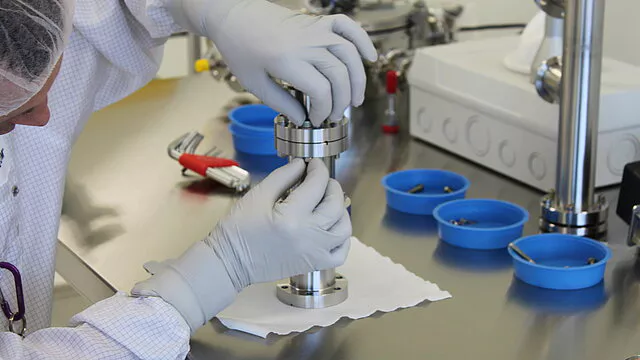
Even with proper glove protocols, manual material handling creates micro-contact events that transfer particles between surfaces. These transfers happen below the detection threshold of most monitoring systems but accumulate over multiple handling cycles. Components that appear clean may carry invisible contamination loads that become problematic during final assembly steps.
Personnel Movement Patterns Generate Contamination Clouds
Human activity within controlled environments creates complex air disturbance patterns that transport contamination in unexpected directions. Personnel generate particle clouds through normal movement, and these clouds follow air currents that may not align with designed airflow patterns. The timing and location of personnel activities can create contamination events that appear hours later in completely different areas of the facility.
Gowning procedures receive extensive attention during training, but the contamination generated by personnel movement during normal operations often goes unrecognized. Each step, gesture, and tool interaction releases particles that become entrained in air currents. When multiple personnel work in the same space, their individual contamination clouds interact and create amplified contamination effects that exceed the sum of individual contributions.
Work Position Changes Redistribute Particles
Personnel changing positions or rotating between workstations create air disturbance events that mobilize settled particles throughout the work area. These position changes often coincide with shift changes or break periods, creating contamination spikes during times when monitoring attention may be reduced. The particles disturbed during these transitions can remain airborne for extended periods, affecting subsequent production activities.
Tool and Equipment Interaction Points
The interface between personnel and production equipment represents a continuous contamination generation zone. Each tool pickup, equipment adjustment, and control panel interaction creates particle release events. These micro-contamination sources become significant when aggregated across multiple personnel and extended production periods.
Hidden Surfaces Harbor Persistent Contamination Sources
Facilities contain numerous surfaces that escape routine cleaning attention yet accumulate contamination over time. These hidden surfaces include equipment undersides, cable management areas, utility connections, and structural elements that remain undisturbed during normal operations. Contamination builds up in these areas and becomes mobilized during maintenance activities, equipment vibrations, or air current changes.
The FDA’s guidance on sterile manufacturing emphasizes the importance of comprehensive surface control, but many facilities focus cleaning efforts on obvious surfaces while neglecting areas that may contribute more significantly to overall contamination loads.
Equipment Crevices and Joint Areas
Manufacturing equipment contains numerous small spaces where standard cleaning procedures cannot reach effectively. These crevices collect particles and moisture, creating microenvironments where contamination persists and multiplies. During equipment operation, vibrations and thermal cycles mobilize these hidden contaminants, introducing them into the production environment at unpredictable times.
Utility and Service Connections
Electrical conduits, compressed air lines, and other utility connections create contamination harboring points that remain undisturbed for extended periods. These areas often exist above normal sightlines and receive minimal cleaning attention. When maintenance activities disturb these connections, accumulated contamination becomes airborne and spreads throughout the facility.
Air System Design Flaws Create Contamination Traps
HVAC systems designed to maintain cleanliness sometimes create unintended contamination accumulation zones due to airflow patterns that don’t account for actual equipment layouts and personnel activities. Dead air zones, turbulence areas, and flow reversals can trap contamination and release it unpredictably. These design flaws become apparent only through detailed airflow studies that most facilities never conduct.
Filter placement and air return locations that seemed logical during facility design may create contamination circulation patterns once equipment and personnel activities are established. The interaction between designed airflows and actual operational conditions often produces contamination transport mechanisms that work against intended cleanliness objectives.
Equipment Heat Generation Effects
Production equipment generates thermal plumes that create localized air currents independent of designed HVAC flows. These thermal effects can override intended air patterns, creating contamination transport pathways that bypass filtration systems. Heat-generating equipment also creates air density differences that affect particle behavior and settlement patterns.
Pressure Boundary Compromises
Small pressure leaks and inadequate sealing around doors, windows, and utility penetrations create contamination infiltration points that operate continuously. These boundary compromises often develop gradually and may not trigger alarm systems until contamination problems become evident through product testing or environmental monitoring spikes.
Process Timing Dependencies Amplify Contamination Risk
The sequence and timing of production activities significantly influence contamination generation and transport within facilities. Activities that seem unrelated can interact through shared air systems, creating contamination events that appear disconnected from their actual causes. Understanding these timing dependencies requires analysis of production schedules, personnel activities, and system operations as integrated contamination risk factors.
Maintenance activities, shift changes, and material deliveries often occur during periods when production monitoring may be reduced, yet these activities generate some of the highest contamination loads. The contamination created during these support activities can persist in the environment and affect subsequent production runs, creating apparent contamination mysteries that frustrate facility managers.
Upstream Activity Contamination Delays
Contamination generated in upstream processes or support areas can appear hours later in downstream production areas due to air transport delays and particle settlement patterns. This time delay makes contamination source identification extremely difficult and often leads to incorrect assumptions about contamination origins.
System Startup and Shutdown Contamination Events
Equipment startup and shutdown procedures create temporary contamination generation spikes that may not be captured by routine monitoring schedules. These transition periods often involve equipment behavior that differs from steady-state operations, including unusual vibrations, air current changes, and thermal effects that mobilize previously settled contamination.
Conclusion
Contamination control in manufacturing environments requires recognition that traditional monitoring approaches may miss the most significant contamination sources. The twelve hidden contamination points identified represent systematic vulnerabilities that exist in most controlled manufacturing facilities, regardless of industry or product type. Addressing these contamination sources requires expanding monitoring strategies beyond obvious risk areas and developing operational procedures that account for the complex interactions between personnel, equipment, and facility systems.
Effective contamination control depends on understanding that contamination events result from multiple contributing factors rather than single-point failures. Facilities that implement comprehensive contamination source identification and develop integrated control strategies will achieve more consistent production outcomes and reduce the operational disruptions that contamination events create. The investment in expanded monitoring and control procedures typically provides rapid returns through reduced production delays, fewer product quality issues, and decreased facility remediation requirements.