Why Are Photo Digitizing Services Essential for Preserving Family Memories?
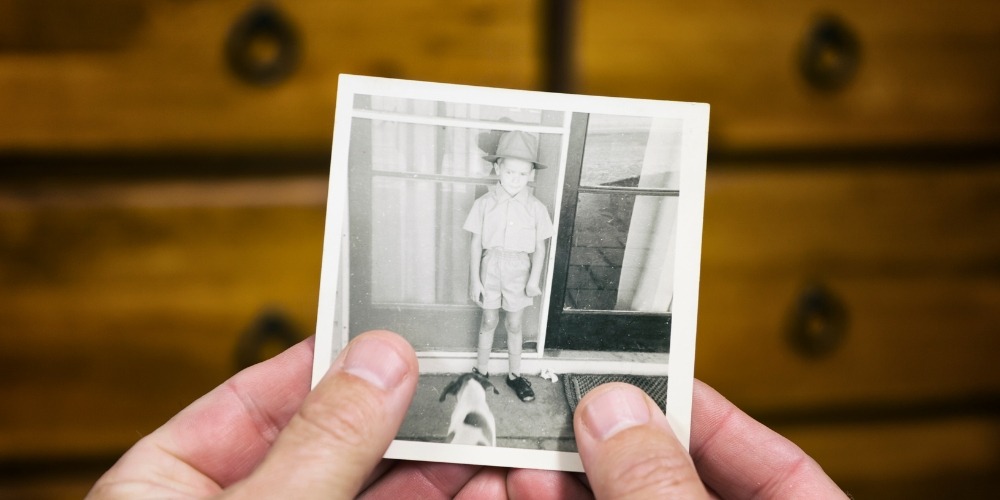
Family photographs capture milestones, relationships, and everyday moments that quietly shape our sense of identity. A faded wedding portrait, a box of childhood snapshots, or albums passed down through generations all tell stories that can’t be recreated once they’re lost. Yet many of these memories exist on fragile formats that were never meant to last forever.
Photo digitizing services protect these memories from time, damage, and accidental loss. Families can preserve their visual history and ensure it remains accessible for generations to come by converting physical photographs into high-quality digital files.
What Happens to Physical Photos Over Time?
Printed photographs are vulnerable, even when stored carefully. Time alone is enough to degrade them, but everyday conditions accelerate the process.
Common risks include:
- Fading and discoloration caused by light exposure and aging chemicals.
- Moisture damage, leading to warping, mold, or sticking.
- Tears, creases, and scratches from handling.
- Loss from fires, floods, or misplacement.
Older photos, especially those printed decades ago, were not created with long-term archival stability in mind. Once details fade or materials break down, those visual memories are permanently altered or destroyed.
Why Is Digitizing Photos Better Than Storing Physical Copies Alone?
Physical storage protects photos only to a point. Digitization adds an entirely new layer of security and usability.
When photos are digitized:
- The original image is preserved in its current condition.
- Digital backups can be stored in multiple locations.
- Copies can be shared without risking damage to originals.
- Images become easier to organize and search.
How Do Photo Digitizing Services Protect Irreplaceable Memories?
Professional photo digitizing services go beyond simple scanning. They are designed to capture the highest possible image quality while minimizing handling risks.
These services typically offer:
- High-resolution scanning that preserves fine details.
- Color correction to restore faded or yellowed photos.
- Careful handling of delicate or damaged originals.
- Consistent file formats suitable for long-term storage.
This process ensures that even aging or fragile photos are preserved accurately, without the risks that often come with home scanning attempts.
Why Is Digital Preservation Important for Future Generations?
Family photos often lose context as time passes. Names, dates, and stories can fade along with the images themselves. Digitization makes it easier to preserve not just the image, but its meaning.
Digital archives allow families to:
- Add filenames, dates, and descriptions.
- Share images alongside written or recorded stories.
- Pass collections down without physical deterioration.
- Keep memories accessible across changing technologies.
How Does Digitization Make Family Memories More Accessible?
Boxes of photos stored in closets are rarely revisited. Digital images, on the other hand, become part of everyday life.
Once digitized, photos can be:
- Viewed instantly on phones, tablets, or computers.
- Shared with relatives across the world.
- Used in slideshows, videos, or printed keepsakes.
- Organized by year, event, or family member.
Can Digitizing Photos Help Restore Damaged Images?
Many families assume that damaged photos are beyond saving. In reality, digitization often opens the door to restoration. Digital restoration can:
- Reduce scratches, dust, and minor stains.
- Improve contrast and clarity.
- Correct color shifts caused by aging.
- Stabilize images before further deterioration occurs.
Even when full restoration isn’t possible, digitizing ensures that the photo’s current condition is preserved before it worsens.
How Does Digitization Support Long-Term Memory Preservation?
Digital preservation allows for redundancy, which is essential for long-term safety. A single physical photo exists in one place. A digitized photo can exist in many forms. Long-term benefits include:
- Cloud backups that protect against local disasters.
- External drives stored in separate locations.
- Easy migration to new formats as technology evolves.
- Reduced dependence on aging physical materials.
When Is the Right Time to Digitize Family Photos?
There is rarely a “perfect” time, but waiting increases the risk of irreversible loss. Photos don’t improve with age, and damage is often gradual until it suddenly becomes severe.
Ideal times to digitize include:
- While organizing estates or family archives.
- Before moving or downsizing.
- When photos show early signs of fading or damage.
- When families want to share memories with younger generations.
Closing Thoughts
Family photographs are finite, fragile, and irreplaceable. Once lost, they take decades of memories with them. Photo digitizing services offer a practical, reliable way to preserve these moments before time or circumstance erases them.
By converting physical photos into durable digital archives, families protect their history, make it accessible, and ensure it can be shared for generations. Digitization is about honoring the past and safeguarding the stories that define who we are.