Robot Vacuums in Heavy Use Spaces A Comprehensive Look
Robot vacuums have become increasingly popular for maintaining cleanliness in homes and offices. Their ability to autonomously navigate and clean makes them a convenient solution for busy individuals and families. However, the effectiveness of robot vacuums in heavy-use spaces, such as homes with pets or high-traffic areas, is a critical consideration for potential buyers.
Understanding Obstacle Avoidance Systems
Early robot vacuums lacked sophisticated obstacle avoidance capabilities. Users had to manually clear the floor of clutter before each cleaning session to prevent the device from getting stuck. These early models relied primarily on simple bump sensors, which would only trigger when the robot collided with a solid object.
The Evolution of Sensors
The introduction of infrared (IR) sensors marked an improvement, allowing robots to detect walls and large objects in advance, resulting in gentler navigation. However, these sensors could not detect smaller objects.
Later, Lidar technology was implemented, using a spinning laser to map the environment accurately. While Lidar improved navigation, its elevated position prevented it from detecting low-profile items.
Modern Obstacle Avoidance Technologies
- Cameras: High-end models often use cameras, sometimes paired with other sensors, to identify and avoid obstacles. Early models utilized a single front-facing camera, but newer versions incorporate multiple cameras for enhanced performance.
- Crossed IR Sensors: These sensors project beams of infrared light that cross in front of the robot, enabling it to detect obstacles in its path. This system is common in mid-to-high-end models.
- 3D Structured Light: This technology projects a light pattern onto the environment and analyzes distortions to detect obstacles. It is often combined with cameras and crossed lasers for a more comprehensive solution.
- Time of Flight (ToF) Sensors: ToF sensors emit light pulses and measure the time it takes for them to reflect back, allowing the robot to gauge the depth and size of surrounding objects. This technology is less common but found in flagship models.
Some manufacturers use unique approaches, such as dual cameras with 3D Active Stereo or a “tri-laser” system consisting of three infrared beams.
Testing Obstacle Avoidance
Robot vacuum obstacle avoidance capabilities are tested, often in a chaotic environment with various obstacles. These obstacles include light and low-profile items that challenge the robot’s avoidance capabilities. The tests assess not only the robot’s sensors but also its navigation algorithms and processing power.
Models that rely solely on structured light without a camera or crossed lasers tend to score lower in obstacle avoidance tests. Systems that include Time of Flight sensors, cameras, structured light, and crossed lasers have proven to be more effective.
Robot Vacuums in Heavy-Use Spaces
Heavy-use spaces present unique challenges for robot vacuums. These areas often have more dirt, debris, and obstacles than other parts of a home or office.
Handling Pet Hair
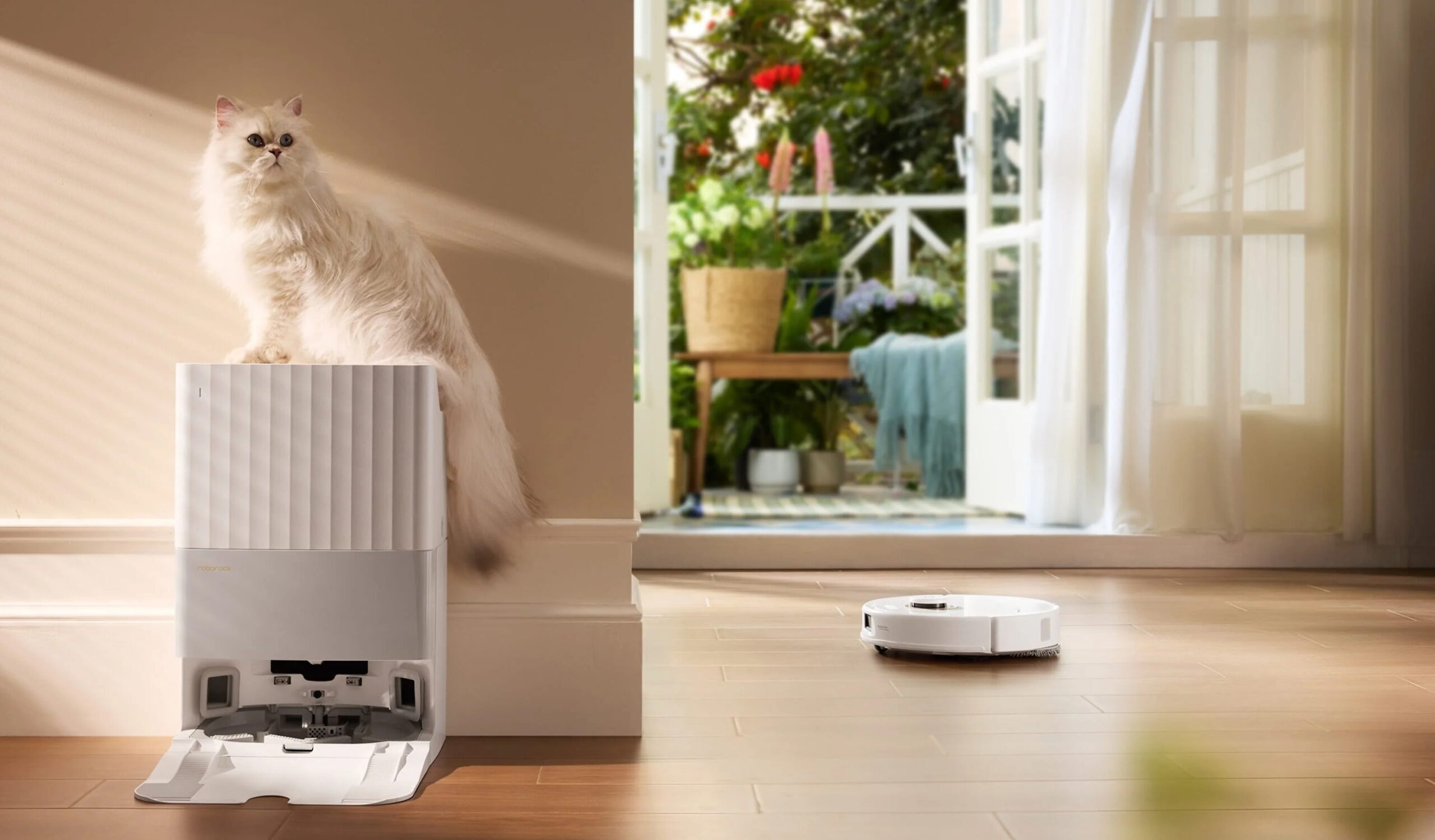
Pet hair is a challenge in many households, especially where pets shed frequently. The best vacuum cleaners for this task have powerful suction and tangle-free brush rolls. Rubber brushes outperform bristled ones by resisting hair buildup. If you’re deciding between steam mop vs vacuum mop, keep in mind how well each addresses pet hair while keeping floors fresh.
Navigating Clutter
High-traffic areas often contain more clutter, such as shoes, toys, and cords. Robot vacuums with advanced obstacle avoidance systems are better equipped to navigate these environments. Cameras, 3D sensors, and infrared systems help the robot detect and avoid obstacles, preventing it from getting stuck or damaging items.
Cleaning Different Floor Types
Many heavy-use spaces include a mix of hard floors and carpets. Robot vacuums with automatic floor detection can adjust their suction power and brush height to optimize cleaning performance on different surfaces. Some models also have the ability to lift their mop pads when transitioning from hard floors to carpets, preventing the carpets from getting wet.
Battery Life and Coverage
Large, heavy-use spaces require robot vacuums with long battery life and efficient navigation. Robots that can map their surroundings and plan an efficient cleaning route can cover more area in a single cleaning session. Some models can also recharge automatically and resume cleaning where they left off.
Features for Optimal Performance in Heavy-Use Spaces
Selecting the right robot vacuum for heavy-use spaces requires careful consideration of specific features.
High Suction Power
Strong suction is essential for picking up dirt, debris, and pet hair in high-traffic areas. Look for models with high pascal (Pa) ratings, indicating greater suction strength.
Tangle-Free Brush Roll
A tangle-free brush roll is crucial for homes with pets or long-haired individuals. Rubber brush rolls are generally more effective at preventing hair from wrapping around the roller.
Advanced Obstacle Avoidance
Cameras, 3D sensors, and infrared systems improve a robot vacuum’s ability to navigate cluttered environments. These technologies help the robot avoid obstacles, preventing it from getting stuck or damaging items.
Automatic Floor Detection
Robot vacuums with automatic floor detection can adjust their settings to optimize cleaning performance on different surfaces. This feature is important for homes with a mix of hard floors and carpets.
Long Battery Life
Long battery life is necessary for cleaning large, heavy-use spaces. Look for models with at least 90 minutes of runtime.
Self-Emptying Dustbin
A self-emptying dustbin reduces the frequency with which you need to empty the robot vacuum. This feature is particularly useful in heavy-use spaces, where the dustbin can fill up quickly.
Multi-Surface Cleaning Capabilities
Effective robot vacuum should seamlessly transition between various floor types, adjusting settings automatically to suit the surface. Look for features like adjustable brush heads and suction levels.
Conclusion
Robot vacuums can be effective in heavy-use spaces if you choose a model with the right features. High suction power, a tangle-free brush roll, advanced obstacle avoidance, automatic floor detection, long battery life, and a self-emptying dustbin are all important considerations. By carefully evaluating your needs and selecting a robot vacuum with the appropriate features, you can maintain a clean and tidy home or office with minimal effort.
Disclaimer
The information provided in this article is for general informational and educational purposes only. While we strive to provide accurate and up-to-date information regarding robot vacuums, their features, and performance, individual results may vary depending on factors such as home layout, floor type, level of clutter, and presence of pets. This article does not constitute professional advice or a product endorsement. Readers should conduct their own research, read manufacturer specifications, and consider personal needs before purchasing or using any robot vacuum. The author and publisher are not responsible for any damages, malfunctions, or dissatisfaction resulting from the use of any products mentioned.