5 Signs Your Concrete Work Needs a Professional Touch
Most homeowners don’t think about concrete until something goes wrong. A crack appears in the driveway. The patio starts to sink. A freshly poured slab cures unevenly, leaving a surface that looks more like a lunar landscape than a smooth finish. By then, the question shifts from “should I hire a concrete contractor?” to “how much is this going to cost me to fix?”
Concrete is one of those materials that looks deceptively simple. Pour it, smooth it, let it dry—how hard can it be? The reality is that professional concrete work involves precise measurements, proper subbase preparation. Controlled curing conditions, and years of hands-on experience. Getting it wrong doesn’t just look bad. It can compromise the structural integrity of your property and lead to costly repairs down the line.
Here are five clear signs that your project calls for a professional concrete contractor.
Your Existing Concrete Has Visible Cracks
Not all cracks are created equal. Hairline cracks on the surface of a concrete slab can be a normal result of minor shrinkage during curing. Deeper, wider cracks especially those that run diagonally or cause sections to shift at different heights are a different story entirely.
These kinds of cracks often signal problems beneath the surface: poor compaction, inadequate reinforcement, soil movement, or drainage issues. A concrete contractor won’t just fill the crack and call it a day. They’ll assess the root cause, determine whether the existing slab can be repaired or needs to be replaced. Address the underlying conditions to prevent the problem from coming back.
Ignoring structural cracks doesn’t make them smaller. Over time, water infiltrates the gaps, freezes in colder months, and widens the damage with every cycle. What starts as a manageable repair can become a full replacement job if left unattended.
You’re Starting a Project That Involves Load-Bearing Surfaces
Decorative stepping stones are one thing. A new garage floor, a concrete retaining wall, or a structural foundation slab is something else entirely.
Load-bearing concrete surfaces must be designed to handle specific weight and stress requirements. This means calculating the correct mix ratio, determining the right thickness. Placing reinforcing steel (rebar or mesh) at the correct depth, and ensuring the subbase is properly prepared and compacted. Miss any one of these steps, and you’re looking at a surface that may crack, heave, or fail under load.
Professional concrete contractors bring the technical knowledge and equipment needed to get this right the first time. They understand local soil conditions, drainage patterns, and building codes factors. That directly affect how a concrete structure performs over its lifetime.
The Surface Needs to Be Level and Finished to a High Standard
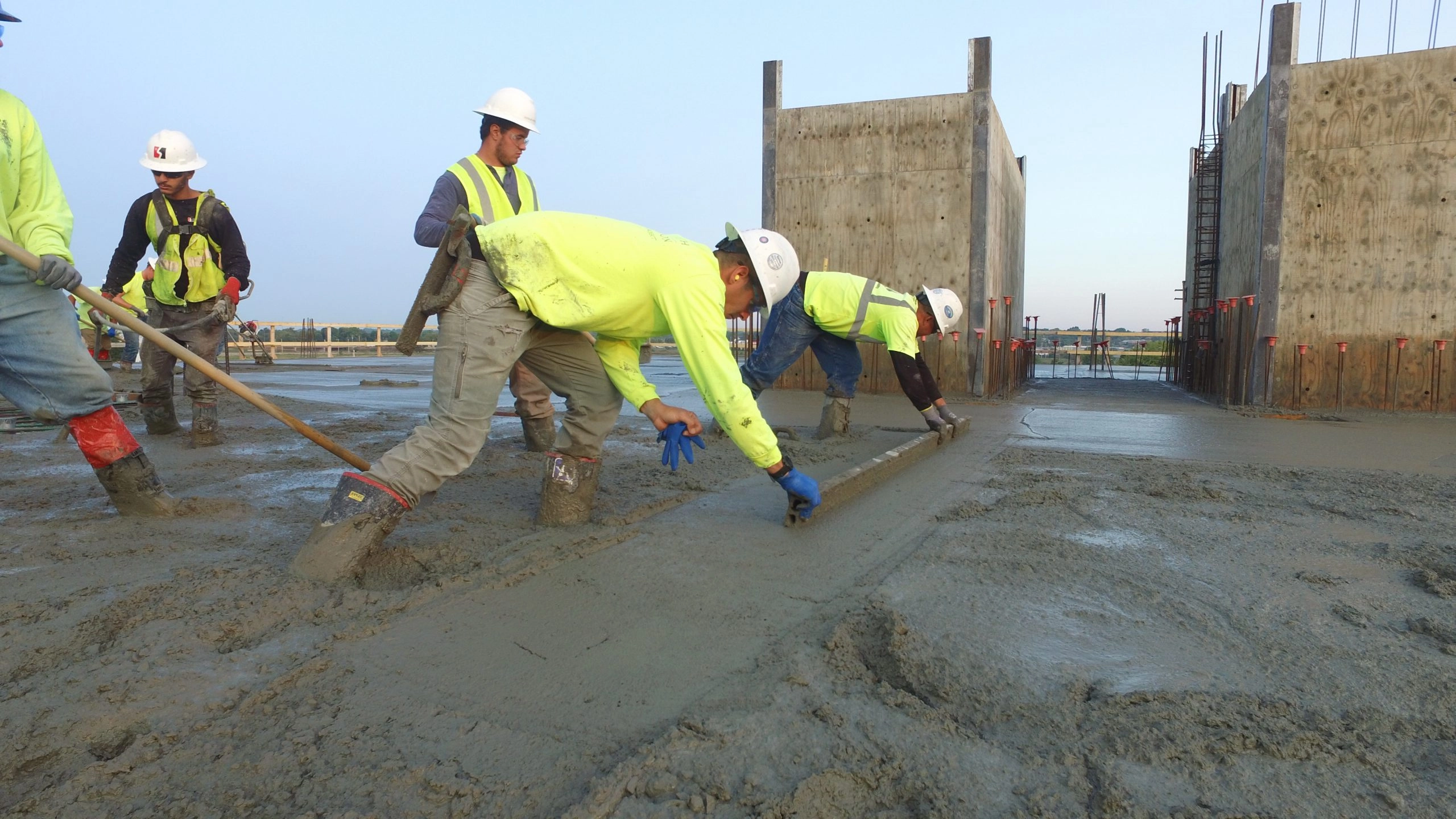
Concrete finishing is a skill that takes years to develop. Achieving a flat, even surface requires reading how the mix is behaving. Knowing when to start floating, and timing the final trowel passes correctly. Too early, and you trap bleed water into the surface. Too late, and the concrete has already started to set.
For projects like driveways, pool surrounds, warehouse floors, and decorative concrete patios, the finish quality matters both aesthetically and functionally. An uneven surface doesn’t just look unprofessional it creates trip hazards, allows water to pool, and accelerates surface wear.
A skilled concrete contractor will also apply the appropriate surface treatment for the intended use. Broom finishes for slip resistance outdoors, smooth trowel finishes for interior slabs, exposed aggregate for decorative applications, or stamped patterns that replicate the look of stone or tile.
You’re Working Against the Weather
Concrete and extreme weather conditions don’t mix well. Pouring in temperatures below 50°F slows the hydration process and can cause the mix to freeze before it gains adequate strength. Pouring in high heat or direct sunlight accelerates moisture loss, which leads to plastic shrinkage cracking.
DIY concrete projects often go ahead regardless of conditions because the materials are already on site or the schedule is tight. Professional concrete contractors monitor forecasts carefully, adjust mix designs for temperature and humidity, and use protective measures—insulating blankets in cold weather, evaporation retarders and shade structures in heat—to ensure the concrete cures correctly.
The curing stage is where a lot of concrete work fails quietly. Even a well-poured slab can underperform if it loses moisture too quickly or isn’t protected from temperature swings during the critical first 24 to 72 hours.
Your Project Involves Permits or Inspections
Many concrete projects—particularly anything related to foundations, retaining walls over a certain height, or structural additions—require building permits and inspections from local authorities. This process exists to ensure the work meets safety codes and won’t create hazards for occupants or neighbors.
Navigating permit requirements on your own can be time-consuming and confusing. A licensed concrete contractor will be familiar with local regulations, handle the permit application process, and ensure the work is completed to code. More importantly, they carry the insurance and licensing required to take on this type of work legally.
Unpermitted concrete work can create serious problems when you sell your property. Buyers’ inspectors will flag it, lenders may refuse to finance the purchase, and you could be required to tear out and redo the work at your own expense.
What to Look for When Hiring a Concrete Contractor
Recognizing that you need professional help is the first step. Choosing the right contractor is the next step. A few things to keep in mind:
- Licensing and insurance: Verify that any contractor you consider holds a valid license in your state and carries both general liability and workers’ compensation insurance.
- Portfolio of past work: Ask to see examples of completed projects similar to yours. Finished quality is visible in photos, but visiting an actual site is even better.
- Clear written quotes: A professional contractor will provide a detailed written estimate that covers materials, labor, timeline, and any site preparation work. Vague verbal quotes are a red flag.
- References from previous clients: A reputable contractor will have no hesitation providing references. Take the time to follow up on them.
- Knowledge of local conditions: Contractors who work regularly in your area understand the soil types, drainage patterns, and seasonal conditions that affect how concrete performs over time.
Concrete Done Right Lasts Decades
Concrete-contractor services deliver long-lasting, structurally sound surfaces by combining proper site preparation, accurate grading, high-quality materials, and expert finishing—ensuring driveways, foundations, patios, and structural walls remain durable, stable, and visually appealing for decades with minimal maintenance. A professionally installed concrete surface—whether it’s a driveway, foundation, patio, or structural wall—should last 30 years or more when built correctly. That level of longevity depends almost entirely on the quality of the work during installation. Proper reinforcement, correct curing methods, and precise mixing ratios all play a role in preventing premature cracking, shifting, or surface deterioration. When these details are handled by experienced professionals, the result is concrete work that performs reliably for decades while supporting the overall strength and value of the property.
Cutting corners on concrete rarely saves money in the long run. The material costs are similar whether the job is done right or wrong; what differs is whether you’re paying once or paying again in a few years to fix a problem that could have been avoided.
HeavenScape’s concrete contractor services are built around lasting results. From residential driveways to commercial slabs, our team brings the experience, equipment, and attention to detail that every concrete project deserves. Contact us today for a consultation and quote.
Disclaimer
This article is provided for general informational purposes only and should not be considered as professional construction, engineering, or legal advice. Concrete performance and project requirements can vary based on factors such as soil conditions, climate, materials, and local building regulations. Readers are encouraged to consult with a licensed concrete contractor or qualified professional for advice specific to their project. Any references to services, including HeavenScape, are for informational purposes only and do not constitute a guarantee of results. The author and publisher assume no liability for any actions taken based on the information presented in this content.